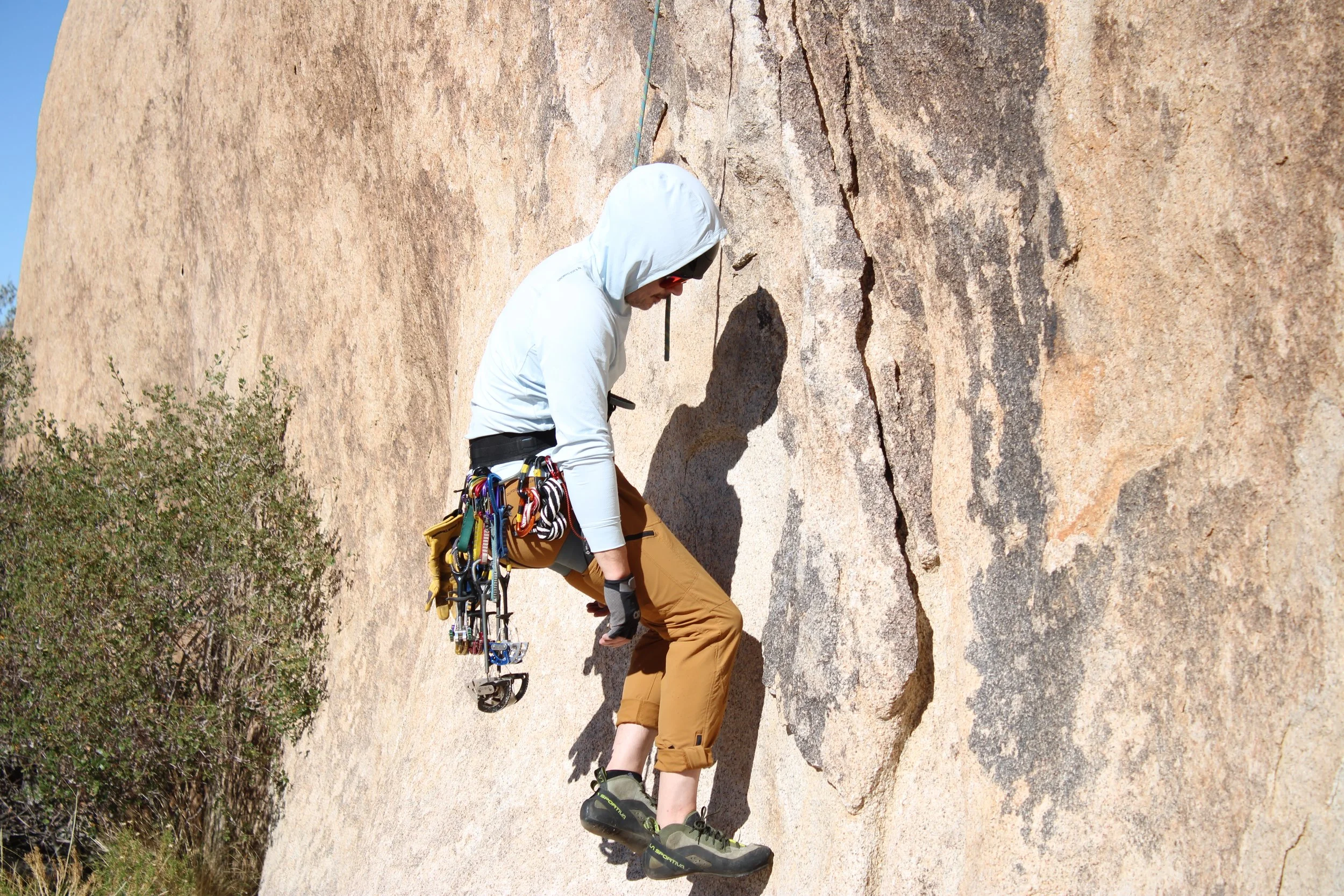
Preparing for rock climbing involves developing the right combination of fitness, technical skills, equipment knowledge, and safety awareness. Whether you're planning to climb indoors or outdoors, a structured approach will help you climb more safely and enjoyably.
Physical Preparation
Build Functional Strength
Focus on exercises that improve:
Grip strength: Dead hangs, farmer's carries, and pull-up bar hangs
Upper body strength: Pull-ups, rows, push-ups, and shoulder stabilization exercises
Core strength: Planks, leg raises, hollow body holds, and rotational exercises
Leg strength: Squats, lunges, step-ups, and calf raises
Improve Endurance
Rock climbing often requires sustained effort. Incorporate:
Hiking with elevation gain
Running, cycling, or rowing
Circuit-style strength workouts
Increase Mobility
Flexibility can help you reach holds and maintain balance.
Focus on:
Hip mobility
Ankle flexibility
Shoulder mobility
Hamstring flexibility
Learn Fundamental Climbing Skills
Indoor Gym Training
A climbing gym is the safest place to learn:
Foot placement and balance
Efficient movement
Route reading
Falling techniques
Belaying skills
Master Basic Techniques
Practice:
Three points of contact
Weight shifting
Using your legs more than your arms
Maintaining straight arms when possible
Controlled breathing
Safety Training
Before climbing outdoors, learn:
Knot tying (Figure Eight Follow-Through)
Harness inspection
Belay techniques
Communication commands
Anchor basics
Risk assessment
Consider taking a course through one of our instructors!
Essential Equipment
Indoor Climbing
Climbing shoes
Harness (if rope climbing)
Chalk bag
Outdoor Climbing
Helmet
Harness
Climbing shoes
Belay device
Locking carabiners
Rope
Appropriate clothing
First aid kit
Mental Preparation
Climbing is as much mental as physical.
Develop:
Risk awareness
Decision-making skills
Focus under pressure
Confidence through progressive challenges
Practice staying calm when above protection or in exposed terrain.
Outdoor-Specific Preparation
If you plan to climb outdoors:
Research the climbing area.
Check weather forecasts.
Understand local regulations and access issues.
Climb with experienced partners.
Learn Leave No Trace principles.
Carry extra food, water, and layers.
Preparation Plan for Beginners
Weeks 1–4
Climb 2–3 times per week indoors
Focus on technique and footwork
Begin basic strength training
Weeks 5–8
Learn belaying and rope management
Increase climbing volume
Add mobility work
Weeks 9–12
Practice lead climbing skills (with instruction)
Take an outdoor climbing course
Begin easy outdoor climbs with experienced partners
As a mountain rescue leader and outdoor educator, you'll already recognize that most climbing accidents stem from poor decision-making, inadequate preparation, and environmental factors rather than lack of strength. Prioritizing technical skills, partner communication, weather awareness, and conservative decision-making will improve both safety and performance far more than simply getting stronger.